

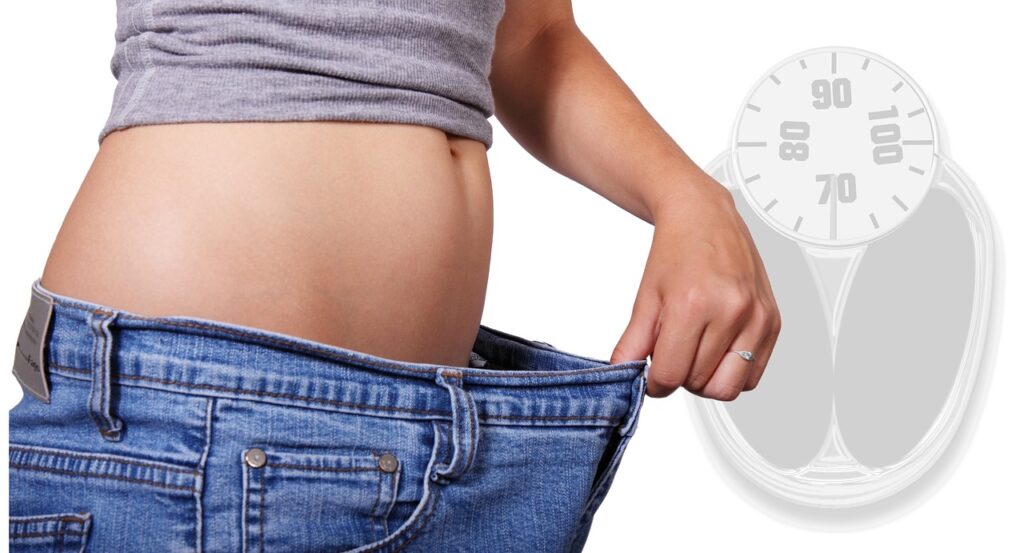
Let’s start with the uncomfortable bit. Most people who lose weight on a strict diet put it back on. Not because they’re weak, not because they “lack discipline” – but because restriction creates a rebound. Your body doesn’t know you’re trying to fit into a dressAugust. It just knows food got scarce, so it turns up hunger and turns down energy expenditure. Charming, isn’t it ?
So when people ask a dietitian how to lose weight without dieting, the honest answer is :changing the architecture of your eating, not the amount of willpower you throw at it. That’s more or less the line you’ll get from most registered practitioners, including the ones on the continent – French dietitians have been banging this drum for years, and if you read the sort of practical advice published on https://dieteticienne-nutritionniste-paris-16.fr, it’s the same message : fix the habits, and the weight follows. Perso, I find that framing much more useful than any meal plan.
What “no diet” actually means (and what it doesn’t)

Quick clarification, because this gets twisted all the time. Eating without dieting doesn’t mean eating whatever, whenever, in whatever quantity. It means no banned-food lists, no weighing your porridge, no 900-calorie days, no “cheat meals” that leave you feeling like you’ve committed a crime.
What it does mean : you work on how you eat before you work on what you eat. Speed. Timing. Environment. Sleep. Protein. Boring stuff. Unsexy stuff. But it’s the stuff that actually holds up in real life, on a Tuesday, when you’ve had four meetings and the kids need feeding.
The five levers dietitians actually pull
1. Slow down – like, properly slow down
Your gut needs a bit of time to tell your brain it’s had enough. Wolf your lunch in six minutes at your desk and you’ll finish before the signal even arrives. Then you’re rummaging in the biscuit tin at 3pm wondering what happened.
The trick that works best in my experience ? Put the fork down between mouthfuls. Sounds a bit precious, I know. It felt ridiculous the first week. But it’s one of the few things that changes portion size without you consciously deciding anything. The Okinawans have a phrase for stopping when you’re comfortably satisfied rather than full – hara hachi bu. Old idea, still good.
Question for you : when did you last eat a meal without a screen in front of you ? Be honest.
2. Protein at breakfast, not just at dinner
Most British breakfasts are a carbohydrate delivery system. Toast, cereal, a pastry grabbed at the station. Blood sugar spikes, then dips, then you’re starvingeleven.
Shift some protein into that first meal – eggs, Greek yoghurt, cottage cheese, leftover chicken if you’re feeling adventurous – and appetite across the whole day tends to settle. Protein is the most satiating of the three macronutrients, that part isn’t really contested. It’s not magic. It just makes the rest of the day easier to navigate.
3. Sleep. Yes, really.
This one surprised me when I first came across the research. Short sleep messes with the hormones that regulate appetite – ghrelin goes up, leptin goes down – and the net effect is that you’re hungrier, and specifically hungrier for high-energy food. Anyone who’s ever been on a night shift knows this from the inside.
So if you’re sleeping five hours and trying to out-discipline your own biology, you’re playing on hard mode for no reason. Fix the sleep first. It’s free.
4. Change your environment, not your personality
Here’s the thing nobody wants to hear : your kitchen layout is doing more work than your motivation. Biscuits on the counter get eaten. Biscuits at the back of a high cupboard, mostly don’t. Fruit in a bowl at eye level gets eaten. Fruit in the salad drawer becomes compost.
I’m slightly sceptical of some of the more gimmicky versions of this – the “use a smaller plate” thing has had mixed results in the research, and I wouldn’t build a strategy on it. But the broader principle holds up : make the good option the easy option. You’re not going to win a daily battle against a family-size bag of crisps that lives in your line of sight. Nobody does.
5. Move more in a way you’d actually keep doing
Not “start running”. Not a gym membership you’ll abandonFebruary. Walking. Cycling to the shop. Taking the stairs at the office because you’re already there.
Exercise on its own is a fairly weak weight-loss tool – that’s well established and it frustrates people who’ve been slogging away on a treadmill for months. But it’s excellent for keeping weight off, for mood, for blood pressure, for sleep, for basically everything. Different job, same direction of travel.
But does it actually work ? Let’s be measured about it
Honest answer : it works, but slowly. We’re talking a gradual downward drift, not a dramatic drop. If you want to lose two stonenext month, this approach will disappoint you, and frankly so will every other approach that’s safe.
What it does give you is something the crash diets never do – a result that stays. Because you haven’t built it on suffering, there’s nothing to relapse from. You just… carry on eating like that. That’s the whole point.
And I’ll say this too : some people genuinely do better with more structure, and there’s no shame in that. Individual variation is enormous. If you’ve got a thyroid issue, PCOS, a medication that affects appetite, or a history of disordered eating, this is where a one-to-one appointment with a registered dietitian earns its money. General articles like this one can’t see your bloods.
How to start this week (pick one, not five)
The mistake almost everyone makes is trying to change everything on a Monday. Six new habits, all at once, all collapsingThursday. Been there.
Choose one lever. Just one. Maybe it’s a protein-based breakfast for the next fortnight. Maybe it’s putting your phone in another room while you eat. Maybe it’s a twenty-minute walk after dinner because it’s summer and it’s still light out.
Give it two weeks. If it’s stuck – if you’re doing it without thinking about it – add the next one. If it hasn’t stuck, don’t beat yourself up, just pick a different lever. Some habits fit some lives and not others.
What I’d tell a friend over coffee
Stop weighing yourself every morning. The number bounces around for a dozen reasons that have nothing to do with fat – salt, hormones, what time you went to the loo. Weekly is plenty. Monthly is fine too.
Watch how your clothes fit instead. Watch your energy at 4pm. Watch whether you’re still thinking about food constantly, because if you are, you’re probably still restricting somewhere without realising it.
And be patient with yourself, seriously. You didn’t put the weight on in six weeks and it’s a bit unfair to expect it to leave in six weeks. The people I’ve seen get lasting results are, almost without exception, the ones who got boring about it. Same walk. Same breakfast. No drama.
Not glamorous. But it works, and that counts for a lot more.